
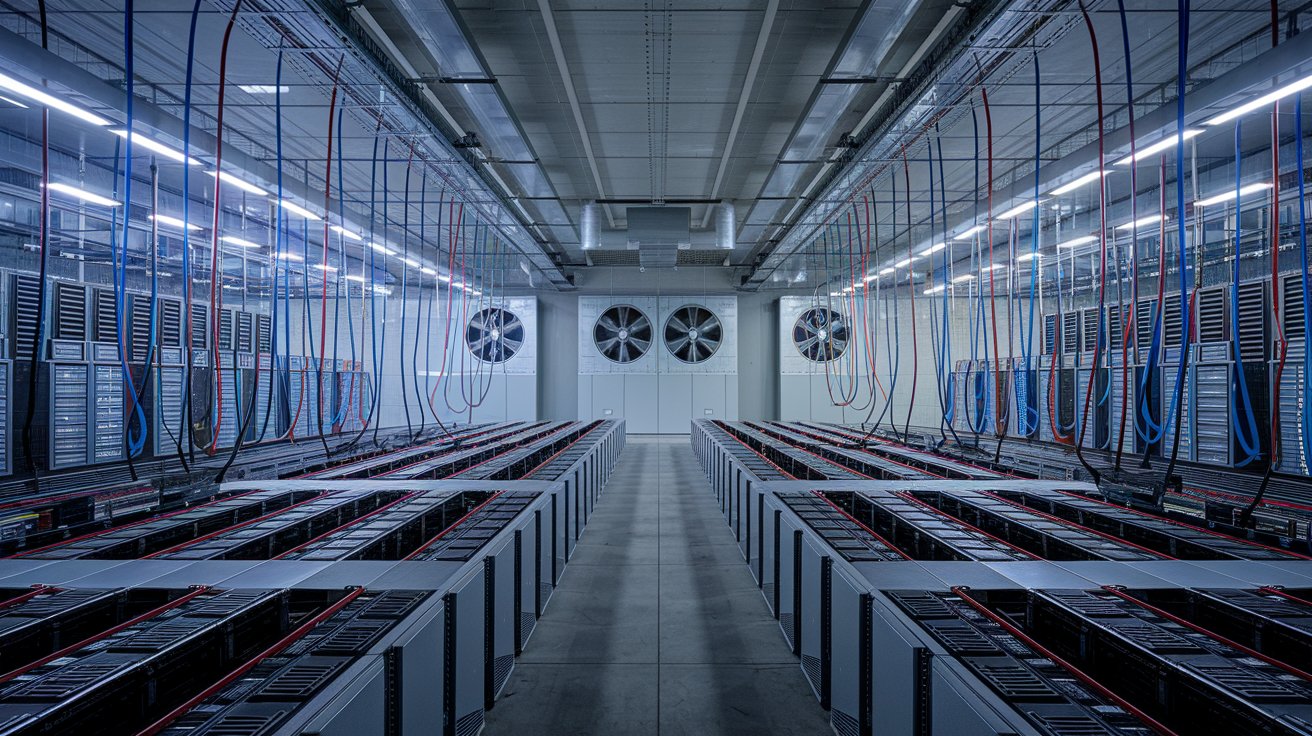
A multichannel data system is a technology infrastructure that simultaneously collects, processes, and analyzes data from multiple independent channels or sources in real-time. These systems are essential for scientific research, industrial monitoring, and business intelligence applications where data acquisition from various inputs occurs concurrently. In 2026, multichannel systems have become critical for organizations managing complex data environments across the United States, enabling synchronized measurement and analysis that single-channel solutions cannot achieve.
Understanding Multichannel Data Acquisition Systems
A multichannel data acquisition system represents a sophisticated framework that captures information from two or more distinct sources simultaneously. Unlike traditional single-channel approaches, these systems utilize specialized hardware and software to coordinate data collection across multiple inputs while maintaining temporal synchronization. The architecture typically includes analog-to-digital converters, signal conditioning modules, and centralized processing units that aggregate channel data into unified datasets for comprehensive analysis.
The fundamental advantage of multichannel systems lies in their ability to preserve relationships between different data streams. When measuring temperature, pressure, and vibration simultaneously in industrial equipment, for example, the system captures correlations that would be impossible to detect with sequential single-channel measurements. In 2026, modern implementations commonly feature 8 to 256 channels, with enterprise solutions supporting thousands of concurrent data streams across distributed networks throughout the United States.
Core Components of Multichannel Systems
The architecture of a multichannel data system comprises several critical elements working in coordination. Sensor arrays form the initial data collection layer, converting physical phenomena into electrical signals. These signals pass through signal conditioning modules that amplify, filter, and normalize voltages to ensure compatibility with downstream processing components. The conditioned signals then enter multiplexers or parallel analog-to-digital converters that transform analog information into digital format for computational analysis.
Hardware Infrastructure Components
The hardware infrastructure includes data acquisition cards, chassis systems, and industrial-grade computers designed for continuous operation. Leading manufacturers in the United States market provide modular systems where users configure channel counts, sampling rates, and resolution specifications based on application requirements. Contemporary systems feature sampling rates exceeding 10 million samples per second per channel, with 24-bit resolution becoming standard for precision measurements. Network interfaces enable distributed data acquisition across multiple physical locations, consolidating information into centralized databases for unified analysis.
Software Platform Capabilities
Multichannel systems software provides the interface between hardware components and end-user applications. These platforms include device drivers, configuration utilities, real-time visualization tools, and analysis modules. Modern multichannel data manager applications incorporate machine learning algorithms that automatically detect anomalies across channel arrays, alerting operators to potential issues before critical failures occur. Software suites typically support common programming languages including Python, MATLAB, and LabVIEW, enabling custom application development for specialized research and industrial monitoring scenarios throughout American laboratories and manufacturing facilities.
Single Channel vs. Multichannel Data Acquisition Systems
The distinction between single-channel and multichannel data acquisition approaches fundamentally impacts measurement capabilities and data quality. Single-channel systems collect information from one source at a time, requiring sequential switching between inputs when monitoring multiple parameters. This sequential approach introduces temporal discrepancies that obscure relationships between rapidly changing variables. In contrast, multichannel systems capture all inputs simultaneously, preserving timing relationships essential for correlation analysis, phase detection, and event reconstruction.
Cost considerations have historically favored single-channel implementations for simple monitoring tasks. However, 2026 pricing trends show narrowing gaps as multichannel analyzer technologies achieve economies of scale. For applications requiring monitoring of three or more related parameters, multichannel solutions now offer superior value propositions. American manufacturing facilities increasingly standardize on multichannel platforms even for basic monitoring, recognizing long-term advantages in system scalability and analytical capabilities that justify slightly higher initial investments compared to single-channel alternatives.
Performance Comparison Metrics
When evaluating system performance, multichannel data systems demonstrate measurable advantages across critical metrics. Sampling synchronization accuracy reaches sub-microsecond levels in modern implementations, enabling precise temporal correlation impossible with sequential sampling. Channel-to-channel crosstalk specifications below -80 dB ensure signal isolation preventing interference between adjacent inputs. Throughput capabilities exceed 100 MB/s for contemporary systems, supporting high-speed applications in aerospace testing, medical imaging, and advanced materials research facilities across the United States.
Application Suitability Guidelines
Selecting between single and multichannel systems depends on specific application characteristics. Single-channel solutions remain appropriate for slow-changing processes where parameters update on timescales of seconds or minutes, such as environmental temperature monitoring or basic quality control sampling. Multichannel data acquisition systems become essential when monitoring dynamic processes, analyzing vibration signatures, conducting structural health assessments, or performing scientific experiments where multiple variables interact. Industries including automotive testing, pharmaceutical development, and energy generation increasingly specify multichannel requirements in 2026 procurement standards throughout American facilities.
Real-World Examples of Multichannel Systems
Practical implementations of multichannel data systems span diverse industries and research domains. In automotive crash testing, systems simultaneously capture data from hundreds of accelerometers, strain gauges, and high-speed cameras during millisecond collision events. Medical electrophysiology laboratories utilize multichannel analyzers recording 256+ electrode signals during brain activity mapping procedures. Power generation facilities deploy distributed systems monitoring temperature, pressure, vibration, and electrical parameters across turbine assemblies, enabling predictive maintenance that prevents catastrophic failures.
Manufacturing quality control represents another significant multichannel system application domain. Semiconductor fabrication facilities in the United States employ systems tracking chamber pressure, gas flow rates, temperature profiles, and radio frequency power simultaneously during deposition processes. This comprehensive monitoring enables precise process control maintaining product specifications within nanometer tolerances. The pharmaceutical industry similarly relies on multichannel monitoring during bioreactor operations, where pH, dissolved oxygen, temperature, and nutrient concentrations require continuous synchronized measurement to optimize cell culture yields and ensure batch consistency.
Multichannel Distribution Systems Explained
A multichannel distribution system represents a distinct concept from data acquisition, referring instead to business strategies employing multiple pathways to deliver products or services to customers. These systems combine direct sales, retail partnerships, e-commerce platforms, and wholesale networks to maximize market reach. While the terminology shares the multichannel designation, the underlying principles differ significantly from technical data acquisition implementations. Understanding this distinction prevents confusion when researching multichannel technologies across different professional contexts.
In commercial applications, multichannel distribution enables companies to serve diverse customer preferences and market segments simultaneously. A manufacturer might sell directly through company websites, partner with retail chains for physical store presence, utilize Amazon and similar marketplaces for online reach, and maintain wholesale relationships with independent distributors. This approach parallels multichannel data systems conceptually through simultaneous operation of independent channels, though the domains differ entirely. American businesses increasingly adopt multichannel strategies, with 2026 research indicating over 73% of mid-sized companies maintain three or more distinct distribution channels.
Key Applications in Research and Industry
Scientific research facilities extensively deploy multichannel data acquisition systems for experimental measurements requiring precise temporal coordination. Neuroscience laboratories utilize high-density electrode arrays capturing activity from thousands of neurons simultaneously, enabling brain circuit mapping impossible with sequential recording. Materials science researchers employ systems synchronizing mechanical testing machines with thermal imaging cameras, strain gauge arrays, and acoustic emission sensors during fracture mechanics studies. Environmental monitoring stations across the United States record meteorological parameters, air quality indicators, and ground motion data through integrated multichannel platforms supporting climate research initiatives.
Industrial Monitoring Applications
Manufacturing and process industries depend on multichannel systems for production optimization and equipment health monitoring. Steel mills employ systems tracking furnace temperatures, rolling mill pressures, and product dimensions simultaneously during continuous casting operations. Chemical processing plants integrate multichannel data managers monitoring reactor conditions, flow rates, and safety parameters across complex production networks. Aerospace manufacturers utilize multichannel vibration analysis during engine testing, capturing data from sensor arrays that detect bearing wear, blade imbalances, and structural resonances before failures occur. These applications demonstrate how multichannel technology directly impacts operational efficiency and safety across American industrial sectors in 2026.
Medical and Healthcare Uses
Healthcare applications of multichannel data acquisition continue expanding with advancing medical technology. Polysomnography laboratories record brain waves, eye movements, muscle activity, heart rhythm, and respiratory patterns simultaneously during sleep studies, requiring synchronized 20+ channel systems. Cardiac catheterization procedures utilize multichannel pressure and electrical signal recording during diagnostic interventions. Research hospitals across the United States deploy multi channel experimenter systems for clinical trials, capturing physiological responses, medication delivery timing, and patient-reported outcomes through integrated platforms that ensure data integrity for regulatory submissions and scientific publication.
Selecting the Right Multichannel System
Choosing an appropriate multichannel data system requires careful evaluation of application requirements against available technologies. Critical specification parameters include channel count, sampling rate, resolution, input voltage ranges, and signal conditioning capabilities. Applications involving high-frequency phenomena such as acoustic analysis or vibration monitoring demand sampling rates in the megahertz range, while slower processes like temperature profiling function adequately with kilohertz sampling. Resolution requirements vary from 12-bit for basic monitoring to 24-bit for precision scientific measurements where signal-to-noise ratios critically impact data quality.
Budget considerations encompass both initial hardware costs and ongoing software licensing, calibration, and maintenance expenses. Entry-level multichannel systems suitable for educational laboratories start around three thousand dollars for 8-channel configurations, while industrial-grade systems with 128+ channels and specialized signal conditioning reach six-figure investments. American organizations increasingly consider total cost of ownership including technical support, upgrade paths, and system longevity when evaluating vendors. Compatibility with existing infrastructure, programming environments, and data management systems significantly influences selection decisions, as integration costs often exceed hardware expenses for complex deployments across enterprise environments in 2026.
Future Trends in Multichannel Technology
The evolution of multichannel data systems accelerates through advancing semiconductor capabilities, wireless technologies, and artificial intelligence integration. Wireless sensor networks enable distributed multichannel acquisition without expensive cabling infrastructure, particularly valuable for structural monitoring of bridges, buildings, and industrial equipment across large physical areas. Edge computing capabilities embedded within acquisition systems perform real-time analysis and data reduction, transmitting only relevant information to centralized databases rather than raw data streams that overwhelm network bandwidth and storage capacity.
Artificial intelligence integration represents the most transformative trend reshaping multichannel analyzer capabilities in 2026. Machine learning algorithms trained on historical multichannel datasets automatically identify normal operating patterns and detect subtle anomalies indicating developing problems. Predictive maintenance applications leverage these capabilities to forecast equipment failures days or weeks before traditional threshold-based alarms trigger, enabling proactive interventions that prevent costly unplanned downtime. American manufacturers implementing AI-enhanced multichannel monitoring report maintenance cost reductions exceeding 30% while improving equipment availability through early problem detection that traditional single-parameter monitoring systems cannot achieve.
Implementation Best Practices
Successful multichannel data system deployment requires attention to installation details that significantly impact long-term performance and reliability. Proper grounding and shielding techniques prevent electrical noise interference that degrades measurement accuracy. Cable routing should minimize exposure to electromagnetic interference sources including motors, variable frequency drives, and radio transmitters. Sensor selection and placement require domain expertise ensuring measurements accurately represent monitored phenomena without introducing artifacts from installation deficiencies or environmental influences.
Calibration protocols establish traceability to national standards ensuring measurement accuracy and regulatory compliance. Systems supporting critical applications in pharmaceutical manufacturing, medical devices, or aerospace typically require documented calibration at six or twelve month intervals using certified reference standards. Multichannel systems software should include calibration management features tracking certification dates, storing calibration coefficients, and alerting operators when recalibration becomes due. Documentation practices encompassing system configuration, sensor locations, calibration records, and maintenance history prove essential for troubleshooting, regulatory audits, and knowledge transfer when personnel transitions occur within American organizations.
Related video about what is a multichannel data system
This video complements the article information with a practical visual demonstration.
FAQ – Common Questions
What is a multichannel data acquisition system?
A multichannel data acquisition system is a technology platform that simultaneously collects, processes, and analyzes data from multiple independent sources or channels in real-time. These systems use specialized hardware including analog-to-digital converters, signal conditioning modules, and synchronized sampling clocks to capture information from two to thousands of channels concurrently. Unlike single-channel systems that measure inputs sequentially, multichannel systems preserve temporal relationships between data streams, enabling correlation analysis and comprehensive understanding of complex processes in scientific research, industrial monitoring, and medical applications throughout the United States in 2026.
What is an example of a multichannel system?
A practical example of a multichannel system is automotive crash testing equipment that simultaneously records data from hundreds of accelerometers, strain gauges, load cells, and high-speed cameras during vehicle collision events lasting only milliseconds. Another common example includes medical electroencephalography (EEG) systems that capture brain electrical activity from 32 to 256 electrode channels simultaneously during neurological diagnostics. Industrial vibration monitoring represents another application where multichannel analyzers track multiple accelerometer inputs on rotating machinery to detect bearing wear, imbalances, and structural problems. These systems demonstrate how multichannel technology enables comprehensive data collection impossible with single-channel approaches across diverse American industries.
How does multichannel differ from single-channel data acquisition?
The fundamental difference between multichannel and single-channel data acquisition lies in simultaneous versus sequential data collection. Single-channel systems measure one input at a time, switching between sources when monitoring multiple parameters, which introduces timing discrepancies that obscure relationships between rapidly changing variables. Multichannel systems capture all inputs concurrently using parallel processing architecture, preserving precise temporal correlations essential for analyzing dynamic processes. This simultaneous acquisition capability makes multichannel systems essential for applications requiring correlation analysis, phase detection, or event reconstruction where timing relationships between measurements critically impact analytical conclusions. In 2026, multichannel solutions dominate applications monitoring three or more related parameters across American research and industrial facilities.
What industries commonly use multichannel data systems?
Industries extensively using multichannel data systems include automotive manufacturing for vehicle testing and quality control, aerospace for engine monitoring and structural analysis, pharmaceutical production for process validation and compliance documentation, energy generation for turbine monitoring and grid management, and semiconductor fabrication for precision process control. Medical facilities deploy these systems for patient monitoring, diagnostic procedures, and clinical research. Materials science laboratories utilize multichannel acquisition for mechanical testing and characterization studies. Environmental monitoring organizations employ distributed multichannel networks tracking meteorological and pollution parameters. The versatility of multichannel technology supports applications across virtually every technical and scientific domain throughout the United States, with adoption accelerating as costs decrease and capabilities expand in 2026.
What software is used with multichannel data systems?
Multichannel systems software includes specialized platforms such as National Instruments LabVIEW, MATLAB Data Acquisition Toolbox, and manufacturer-specific applications like the Multi Channel Suite and multichannel data manager programs. These software packages provide device configuration, real-time visualization, data logging, and analysis capabilities. Modern platforms incorporate programming interfaces supporting Python, C++, and other languages for custom application development. Cloud-based solutions enable remote monitoring and collaborative analysis across distributed teams. Software features increasingly include artificial intelligence algorithms for automated anomaly detection and predictive analytics. American organizations select software based on compatibility with existing IT infrastructure, programming language preferences, analysis requirements, and budget considerations including licensing models ranging from perpetual purchases to subscription-based access in 2026.
How much do multichannel data systems cost?
Multichannel data system costs vary widely based on channel count, sampling rate, resolution, and application requirements. Entry-level systems with 8 channels suitable for educational use start around three thousand dollars, while mid-range industrial systems with 32 to 64 channels typically cost fifteen to forty thousand dollars. High-end configurations supporting 128+ channels with specialized signal conditioning for demanding applications reach one hundred thousand dollars or more. Software licensing adds ongoing costs ranging from five hundred to several thousand dollars annually depending on features and support levels. American organizations should budget for installation, calibration equipment, training, and maintenance when calculating total ownership costs. Wireless and distributed systems may require additional networking infrastructure investments, though prices continue declining as technology matures throughout 2026.
| Key Aspect | Important Details | Benefit |
|---|---|---|
| Simultaneous Data Capture | Collects from 2 to 1000+ channels concurrently with microsecond synchronization | Preserves temporal relationships for accurate correlation analysis |
| Application Versatility | Supports research, industrial monitoring, medical diagnostics, and quality control | Single platform serves multiple organizational needs reducing complexity |
| Sampling Performance | Modern systems achieve 10+ MS/s per channel with 24-bit resolution | Captures high-frequency phenomena with precision for demanding applications |
| Software Integration | Compatible with Python, MATLAB, LabVIEW, and cloud analytics platforms | Enables custom development and advanced analysis workflows |
| AI Enhancement | 2026 systems include machine learning for anomaly detection and prediction | Reduces maintenance costs 30%+ through early problem identification |
| Cost Range | Entry systems $3K, industrial $15-40K, enterprise $100K+ configurations | Scalable investment matching budget and application complexity |