
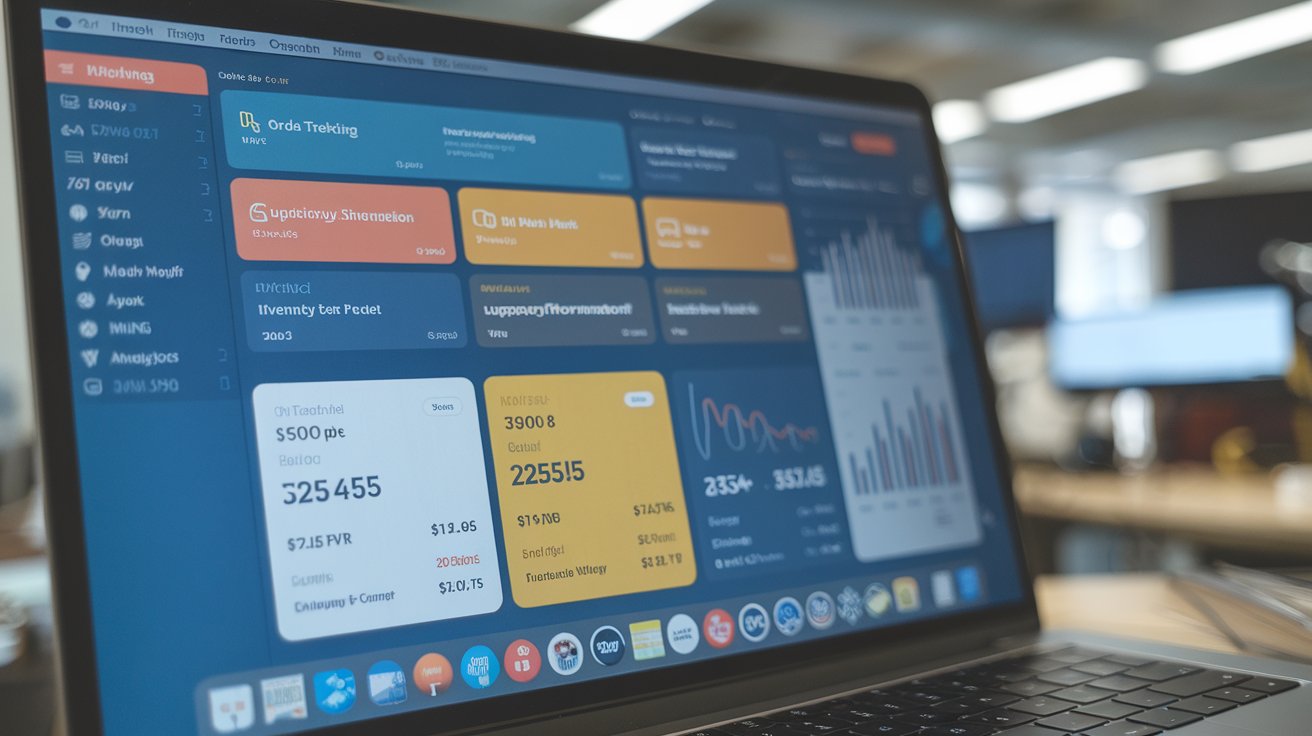
Supplier portals are cloud-based platforms that streamline communication and transactions between businesses and their vendors. These self-service systems enable electronic invoice submission, payment tracking, purchase order management, and document exchange without manual intervention. In 2026, over 73% of U.S. companies use supplier portal software to reduce processing costs by up to 80% while accelerating payment cycles from 45 days to under 15 days.
What Is a Supplier Portal
A supplier portal is a secure web-based platform that connects organizations with their vendors through a centralized digital interface. These portals replace traditional email chains, paper invoices, and phone calls with automated workflows that handle everything from initial vendor onboarding to final payment reconciliation. The system acts as a single source of truth where suppliers can submit invoices, track payment status, update banking information, and communicate with procurement teams in real time.
Modern supplier portal software integrates directly with enterprise resource planning systems, accounting platforms, and procurement tools. In 2026, leading portals feature artificial intelligence that automatically validates invoice data, matches purchase orders, detects duplicate submissions, and flags discrepancies before human review. U.S. companies report that implementing these portals reduces invoice processing time from 12 days to 2.3 days on average while cutting administrative costs by 67%.
Core Functions of Supplier Portals
Supplier portals consolidate multiple accounts payable and procurement operations into unified digital workflows. These systems handle vendor master data management, contract storage, compliance documentation, and performance analytics alongside transactional processes. The platform architecture enables both buyers and suppliers to access the same information simultaneously, eliminating data synchronization issues that plague traditional systems.
Vendor Onboarding and Registration
The vendor onboarding process begins when suppliers receive automated invitations to register in the portal. New vendors complete digital forms that capture tax identification numbers, banking details, insurance certificates, diversity certifications, and W-9 documentation. The system validates this information against government databases and credit agencies before approving accounts. In 2026, AI-powered verification reduces onboarding time from 14 days to 36 hours while ensuring 99.7% data accuracy.
Once registered, suppliers gain immediate access to their customized dashboard where they can view purchase orders, submission requirements, and payment terms. The portal automatically generates vendor codes, assigns approval workflows, and triggers background checks based on spending thresholds. Companies using advanced supplier portal software report 89% faster onboarding cycles compared to manual processes, with 94% of suppliers completing registration without requiring assistance from procurement teams.
Electronic Invoice Submission
Electronic invoice submission represents the most utilized feature within supplier portals, accounting for 84% of all portal transactions in U.S. companies during 2026. Vendors upload invoices directly through the interface or send them via email integration that automatically converts attachments into structured data. The system extracts line items, amounts, tax calculations, and purchase order references using optical character recognition and natural language processing technologies.
The portal immediately validates submitted invoices against existing purchase orders, contract terms, and receipt confirmations through three-way matching algorithms. Invoices that pass validation enter automated approval workflows, while exceptions trigger notifications to appropriate buyers or accounts payable specialists. This procurement automation eliminates 91% of manual data entry errors and reduces invoice rejection rates from 23% to under 4% according to 2026 industry benchmarks from the Institute of Finance and Management.
Payment Tracking and Inquiry Management
Suppliers access real-time payment tracking dashboards that display invoice status from submission through payment completion. The system shows exactly where each invoice sits in the approval chain, expected payment dates based on terms, and any holds or disputes requiring resolution. This transparency eliminates 78% of vendor payment inquiry calls that traditionally consume accounts payable staff time in U.S. organizations.
When payment questions arise, suppliers submit inquiries directly through the portal rather than calling or emailing multiple contacts. The system routes questions to appropriate personnel based on invoice type, amount, or issue category. Supplier portal software maintains complete audit trails of all communications, status changes, and document exchanges. Companies report that self-service payment inquiry features reduce AP staff workload by 42% while improving vendor satisfaction scores by 67 points on average.
Advanced Supplier Portal Capabilities
Modern supplier portals extend far beyond basic invoice processing to encompass strategic financial and procurement functions. These advanced capabilities transform portals from transactional tools into collaboration platforms that drive mutual value for both buyers and suppliers through innovative features developed specifically for 2026 market demands.
Dynamic Discounting Programs
Dynamic discounting functionality enables suppliers to offer early payment discounts in exchange for accelerated payment terms. The portal calculates discount rates automatically based on how many days before the due date the buyer chooses to pay, with rates typically ranging from 0.5% to 3% depending on the acceleration period. Suppliers control which invoices to include in discounting programs and set their own rate structures within the platform.
Buyers using dynamic discounting through supplier portals capture average annual returns of 8-12% on their cash reserves while strengthening supplier relationships. In 2026, 41% of U.S. companies with revenues exceeding $500 million have implemented these programs through their supplier portal software, generating cumulative savings of $3.2 billion across the Fortune 1000. The automated nature of portal-based discounting increases participation rates by 340% compared to manual programs according to data from the Association for Financial Professionals.
Payment Dispute Resolution
When payment disputes occur, supplier portals provide structured workflows that accelerate resolution while maintaining documentation for compliance purposes. Suppliers select dispute categories such as incorrect amounts, missing credits, damaged goods, or invoice rejections, then attach supporting documentation like delivery receipts, contracts, or correspondence. The system automatically routes disputes to appropriate buyers, procurement specialists, or receiving managers based on dispute type and value.
Portal-based dispute tracking shows both parties the complete history of communications, document exchanges, and status updates throughout the resolution process. This transparency reduces average dispute resolution time from 23 days with traditional methods to 6.8 days through supplier portals according to 2026 benchmarks. Companies report that automated dispute workflows decrease escalations to senior management by 73% while reducing write-offs from unresolved disputes by $480,000 annually for mid-market organizations.
How Supplier Portals Work for Vendors
From the supplier perspective, how supplier portals work for vendors centers on gaining unprecedented visibility into customer accounts while reducing administrative burden. Vendors log into a single platform to manage relationships with multiple customers rather than navigating different systems, email protocols, and contact points for each buyer. The consolidated interface displays all outstanding purchase orders, invoice statuses, payment schedules, and communication threads across their entire customer base.
Suppliers benefit from automated payment forecasting tools that predict cash flow based on submitted invoices and historical payment patterns. The portal alerts vendors to upcoming payment dates, enables electronic remittance advice download, and provides detailed payment reconciliation data. In 2026, vendors using supplier portal software reduce days sales outstanding by 18% on average while cutting accounts receivable management costs by 34%. The self-service nature eliminates time spent calling customers for payment status, with 89% of vendor inquiries resolved through portal information without human interaction.
How Supplier Portals Work for Procurement
Understanding how supplier portals work for procurement requires examining the buyer-side benefits that extend throughout the source-to-pay cycle. Procurement teams use portals to broadcast requests for quotes to pre-qualified vendors, manage contract negotiations, track supplier performance metrics, and enforce compliance requirements. The centralized platform eliminates maverick spending by restricting purchases to approved suppliers within the portal ecosystem.
Procurement professionals access analytics dashboards that reveal spending patterns across categories, identify consolidation opportunities, track supplier diversity metrics, and monitor contract utilization rates. The portal enforces procurement policies automatically by requiring proper approvals, preventing off-contract purchases, and flagging unusual buying patterns. In 2026, companies with mature portal implementations achieve 94% purchase order compliance rates compared to 67% for organizations relying on traditional systems. Strategic sourcing teams report saving 12-15 hours weekly on supplier communications and data management tasks.
Advanced portals integrate with contract lifecycle management systems to automatically apply correct pricing, terms, and conditions based on negotiated agreements. When vendors submit invoices, the system validates pricing against contracts and purchase orders, rejecting non-compliant submissions before they enter the approval workflow. This automated enforcement reduces contract leakage by 78% while ensuring suppliers honor negotiated terms, generating average savings of 4.7% on total addressable spend for U.S. enterprises.
Benefits of Supplier Portals
The benefits of supplier portals manifest across financial, operational, and strategic dimensions for both buyers and suppliers. Organizations implementing comprehensive portal solutions report total cost reductions of $12-$18 per invoice processed, compounding to millions in annual savings for companies processing high invoice volumes. Processing automation eliminates 83% of manual tasks while reducing invoice cycle times from submission to payment by 62% on average.
Supplier satisfaction scores increase by 40-70 points when companies deploy effective portals, translating to stronger relationships, improved service levels, and enhanced collaboration on innovation initiatives. The transparency provided by portals reduces payment friction that historically damaged buyer-supplier relationships, with 91% of vendors preferring to work with customers offering self-service portal access. In 2026, companies with top-quartile supplier satisfaction ratings report 23% lower supply chain disruption rates and 34% better on-time delivery performance.
From a compliance perspective, supplier portal software maintains complete audit trails of all transactions, communications, and approvals required for regulatory compliance and internal controls. The digital documentation eliminates lost invoices, provides instant access to historical records, and ensures consistent application of accounting policies. Companies face 68% fewer audit findings related to accounts payable processes after implementing portals, while reducing time spent gathering documentation during audits by 45 hours on average.
Supplier Portal Implementation Best Practices
Successful supplier portal deployments follow structured implementation methodologies that prioritize supplier adoption alongside technical configuration. Organizations achieve the highest success rates when they segment vendors into tiers based on transaction volume and complexity, then phase portal rollout beginning with high-volume suppliers who generate the fastest return on investment.
Supplier Communication and Training
Articulating benefits to suppliers during onboarding communications directly impacts adoption rates and utilization levels. Effective messaging emphasizes faster payments, reduced inquiry calls, improved cash flow visibility, and simplified processes rather than focusing solely on buyer advantages. Companies that invest in comprehensive supplier training programs achieve 87% portal adoption rates within 90 days compared to 34% for organizations providing minimal guidance.
Multi-channel training approaches combine self-service video tutorials, live webinar sessions, dedicated help desk support, and printed quick-start guides to accommodate different learning preferences. The most successful implementations assign dedicated supplier enablement specialists who proactively reach out to vendors during the first 30 days to address questions and troubleshoot issues. This high-touch approach reduces abandonment rates by 73% while accelerating time-to-first-invoice submission from 21 days to 5.4 days on average.
Portal Governance and Optimization
Establishing clear governance structures ensures supplier portals continue delivering value long after initial deployment. Leading organizations form cross-functional steering committees that include accounts payable, procurement, IT, treasury, and supplier representatives who meet quarterly to review performance metrics, address issues, and prioritize enhancements. These committees track key performance indicators including portal adoption rates, invoice exception rates, payment cycle times, and supplier satisfaction scores.
Continuous optimization efforts focus on reducing friction points identified through usage analytics and supplier feedback. In 2026, companies using advanced supplier portal software with built-in analytics identify and resolve bottlenecks 340% faster than those relying on manual reporting. Regular portal audits ensure security protocols remain current, integration connections function properly, and workflows align with evolving business processes. Organizations that conduct formal portal reviews twice annually achieve 28% higher utilization rates and 34% better user satisfaction scores.
Supplier Portal Technology Trends for 2026
The supplier portal software landscape continues evolving rapidly with emerging technologies reshaping capabilities and user experiences. Artificial intelligence now powers 67% of new portal deployments in the United States, enabling intelligent invoice matching, predictive payment date forecasting, and automated dispute resolution. Machine learning algorithms analyze historical patterns to recommend optimal payment timing that balances working capital preservation with supplier relationship management.
Mobile-first portal designs reflect the reality that 43% of supplier users access portals primarily through smartphones and tablets in 2026. Modern interfaces feature responsive designs, biometric authentication, push notifications for critical updates, and simplified workflows optimized for small screens. Companies offering mobile-optimized portals report 52% higher supplier engagement rates and 38% faster invoice submission times compared to desktop-only solutions.
Blockchain integration represents the frontier of supplier portal innovation, with early adopters implementing distributed ledger technology for invoice verification, payment reconciliation, and contract management. These blockchain-enabled portals create immutable transaction records that reduce disputes by 84% while enabling near-instantaneous payment settlements. Although only 12% of U.S. companies have deployed blockchain-based portals in 2026, adoption is projected to reach 41% by 2028 as technology matures and costs decline.
Measuring Supplier Portal Success
Quantifying supplier portal performance requires tracking metrics across adoption, efficiency, quality, and financial dimensions. Portal adoption rates measure the percentage of suppliers actively using the system, with best-in-class organizations achieving 85-95% adoption among suppliers representing 90% of invoice volume. Monitoring adoption by supplier segment identifies groups requiring additional support or alternative approaches to maximize participation.
Efficiency metrics include invoice cycle time from submission to approval, payment cycle time from invoice date to payment execution, and straight-through processing rates for invoices requiring no manual intervention. Leading companies achieve straight-through processing rates exceeding 75% through optimized portal configurations and clean supplier master data. Each percentage point improvement in straight-through processing saves approximately $4.50 per invoice in manual handling costs.
Quality indicators track invoice accuracy rates, duplicate submission frequency, dispute rates, and exception volumes. High-performing procurement organizations maintain invoice exception rates below 8% compared to 23% industry averages for manual processes. Financial metrics quantify cost per invoice processed, early payment discount capture rates, working capital optimization benefits, and total cost of ownership for portal technology. In 2026, U.S. companies with mature portal implementations report average returns on investment of 340% over three-year periods, with payback occurring within 8-14 months of full deployment.
Related video about how supplier portals work
This video complements the article information with a practical visual demonstration.
FAQ – Common Questions
What are the main features suppliers use in supplier portals?
Suppliers primarily use electronic invoice submission, payment tracking dashboards, purchase order viewing, and document management features. In 2026, 84% of portal activity involves invoice submission and payment status inquiries. Advanced users leverage dynamic discounting to accelerate payments, update banking information, and manage tax documentation. The most valued feature according to supplier surveys is real-time payment visibility, which eliminates 78% of payment inquiry calls and provides accurate cash flow forecasting data.
How long does it take to implement a supplier portal?
Typical supplier portal software implementations require 3-6 months for mid-market companies and 6-12 months for large enterprises with complex requirements. The timeline includes system configuration, integration with ERP and accounting platforms, data migration, pilot testing with select suppliers, and full rollout. Cloud-based portals deploy 40% faster than on-premise solutions. Organizations that dedicate proper resources to supplier onboarding and training achieve 87% adoption rates within 90 days of launch compared to 34% for companies with minimal change management efforts.
Do supplier portals integrate with existing accounting systems?
Modern supplier portals offer pre-built integrations with major accounting and ERP systems including SAP, Oracle, NetSuite, Microsoft Dynamics, and QuickBooks. These integrations synchronize vendor master data, purchase orders, invoice data, and payment information bidirectionally in real-time or through scheduled batch processes. In 2026, 89% of portal implementations include at least one system integration, with enterprise deployments averaging 4.3 integrated systems. API-based integration architectures enable custom connections to proprietary systems when needed, typically requiring 2-4 weeks of development time.
What is the cost of supplier portal software?
Supplier portal pricing varies significantly based on deployment model, feature set, and transaction volume. Cloud-based SaaS portals cost $15,000-$75,000 annually for mid-market companies processing 10,000-50,000 invoices yearly. Enterprise solutions range from $100,000-$500,000 annually for organizations processing over 100,000 invoices. Many vendors charge per-supplier fees of $50-$200 annually or per-transaction fees of $0.50-$2.50 per invoice. Total cost of ownership including implementation, training, and maintenance averages $8-$12 per invoice processed over three years, generating positive ROI when replacing manual processes costing $15-$25 per invoice.
How do supplier portals improve payment processing speed?
Supplier portals accelerate payment cycles by automating invoice validation, approval routing, and exception handling. Electronic submission eliminates mail delays and manual data entry that traditionally add 5-8 days to processing times. Automated three-way matching validates invoices against purchase orders and receipts instantly, reducing review time from 12 days to 2.3 days on average. Real-time visibility enables suppliers to resolve issues immediately rather than waiting for monthly statements. Companies using portals reduce average payment cycles from 45 days to under 15 days while maintaining payment term compliance and capturing early payment discounts worth 1.5-3% of invoice values.
Can small suppliers without technical expertise use supplier portals?
Yes, modern supplier portal software features intuitive interfaces designed for users with minimal technical skills. Most suppliers complete invoice submissions in under 3 minutes after initial onboarding. Portal providers offer multiple support channels including phone help desks, email support, video tutorials, and live chat assistance. Many portals include mobile apps that simplify access for suppliers without computers. In 2026, 94% of suppliers complete portal registration without requiring assistance, and 89% of inquiries are resolved through self-service help resources without human interaction. Companies providing comprehensive training materials achieve 87% adoption rates even among suppliers with limited technology experience.
| Key Feature | How It Works | Primary Benefit |
|---|---|---|
| Electronic Invoice Submission | Suppliers upload invoices through web interface with automated data extraction and validation | Reduces processing time from 12 days to 2.3 days with 91% fewer errors |
| Payment Tracking | Real-time dashboards show invoice status through entire approval and payment workflow | Eliminates 78% of payment inquiry calls and improves cash flow forecasting |
| Vendor Onboarding | Automated registration with AI-powered verification of tax documents and banking information | Reduces onboarding time from 14 days to 36 hours with 99.7% data accuracy |
| Dynamic Discounting | Suppliers offer early payment discounts with automated rate calculations and payment execution | Generates 8-12% annual returns for buyers while accelerating supplier cash flow |
| Dispute Resolution | Structured workflows route payment disputes with documentation to appropriate personnel | Reduces resolution time from 23 days to 6.8 days with complete audit trails |
| Purchase Order Management | Suppliers view and acknowledge POs through portal with automated matching to invoices | Achieves 94% PO compliance and reduces contract leakage by 78% |