
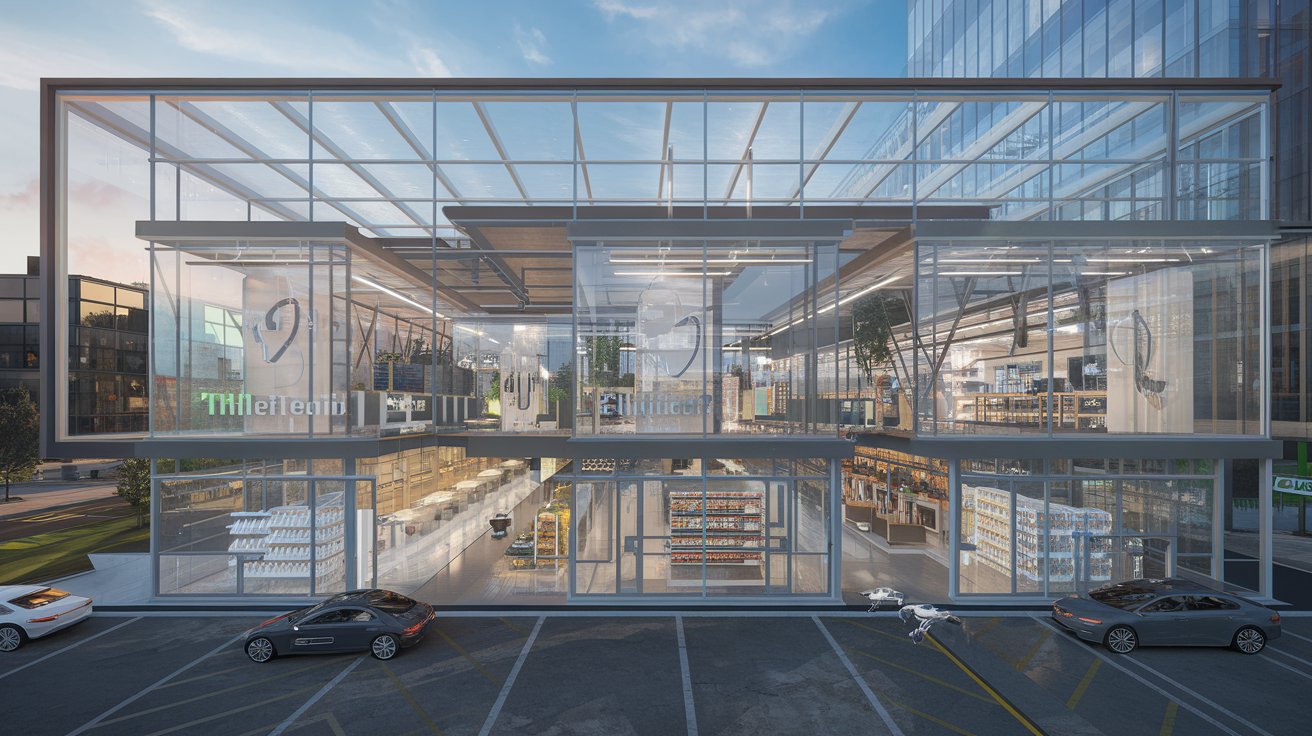
Understanding how system interfaces between retailers work is essential for modern commerce success in the United States. These digital connections enable seamless data exchange between different retail platforms, point-of-sale systems, inventory management tools, and e-commerce channels. System interfaces facilitate real-time transaction data sharing, inventory synchronization, and customer information management across multiple retail touchpoints, creating unified shopping experiences that today’s consumers expect.
What Are System Interfaces in Retail
A system interface serves as a digital bridge that allows different retail software applications to communicate and exchange information automatically. In 2026, approximately 87% of U.S. retailers utilize integrated systems to manage operations across multiple channels. These interfaces translate data formats, protocols, and commands between disparate systems that would otherwise operate in isolation. The primary function is enabling different technology platforms to share critical business information without manual intervention.
Modern retail interfaces typically employ API (Application Programming Interface) technology, which provides standardized methods for systems to request and receive data. According to recent industry analysis, retailers using properly implemented interface solutions report 43% faster checkout times and 38% reduction in inventory discrepancies. These connections handle everything from product catalog updates to real-time pricing changes, ensuring consistency across all customer touchpoints whether in-store, online, or mobile.
Core Components of Retail System Interfaces
Effective retail system interfaces consist of several critical technological elements that work together to ensure reliable data exchange. The architecture typically includes middleware layers, data transformation engines, authentication protocols, and error handling mechanisms. In the United States retail sector, standardized interface protocols have evolved significantly, with REST APIs now accounting for 78% of all retail integrations compared to older SOAP-based systems.
Data Transformation and Mapping
The data transformation layer converts information from one system’s format to another’s required structure. For instance, when a customer completes a purchase, the interface must translate the transaction data from the point-of-sale format into the accounting system’s required schema. This process involves field mapping, data type conversion, and validation rules. Modern interface systems in 2026 utilize AI-powered mapping tools that automatically detect and suggest field correlations, reducing implementation time by up to 60% compared to manual configuration methods used previously.
Authentication and Security Protocols
Security remains paramount in retail system interfaces, with interface security protocols protecting sensitive customer and business data during transmission. OAuth 2.0 and API key authentication are standard practices, with 94% of U.S. retailers implementing multi-factor authentication for system access by 2026. The interface security framework includes encryption for data in transit (TLS 1.3 or higher), role-based access controls, and comprehensive audit logging. These measures ensure compliance with regulations including PCI DSS for payment data and state-level privacy laws across the United States.
Common Architectural Patterns in Retail Integration
Retail organizations implement various architectural patterns when connecting their systems, each suited to different operational requirements and technical capabilities. The selection of integration architecture significantly impacts scalability, maintenance costs, and system performance. Research from the National Retail Federation indicates that 68% of retailers in the United States have adopted hybrid integration approaches combining multiple patterns to address diverse business needs.
Point-to-Point Integration Pattern
The point-to-point pattern creates direct connections between two specific systems, offering simplicity for retailers with limited integration needs. Small to medium retailers with fewer than five integrated systems often begin with this approach. However, this pattern faces scalability challenges as each new system requires individual connections to existing platforms. A retailer connecting five systems requires ten separate interfaces in a fully connected point-to-point architecture, creating maintenance complexity. Industry data shows that retailers typically transition from point-to-point to hub-based architectures once they exceed six interconnected systems.
Hub-and-Spoke Integration Pattern
The hub-and-spoke architecture employs a central integration hub that manages all system connections, reducing the number of interfaces required. In this model, each system connects only to the central hub rather than directly to other systems. For a retailer with ten systems, this reduces required interfaces from 45 (point-to-point) to just 10 (hub-and-spoke). The central hub handles data transformation, routing, and protocol translation. Major U.S. retailers report that hub-based architectures reduce integration maintenance costs by 52% while improving system reliability. The hub also provides centralized monitoring, making it easier to identify and resolve interface issues affecting transaction processing.
Microservices and Event-Driven Architecture
Advanced retailers increasingly adopt microservices architecture where business functions operate as independent services communicating through event streams. This pattern enables real-time responsiveness and independent scaling of different retail functions. When a customer completes a purchase, the system generates events that multiple services consume simultaneously—inventory updates, loyalty points calculation, and financial recording all occur through asynchronous event processing. By 2026, approximately 41% of large U.S. retailers have implemented event-driven architectures for at least some operational domains. This approach provides superior flexibility for omnichannel retail operations where customer interactions occur across multiple touchpoints requiring immediate synchronization.
How Retailers Use Customer Transaction Data
Understanding how retailers use customer transaction data reveals the practical value of system interfaces in creating competitive advantages. Transaction data flows through interfaces to multiple business systems, enabling analytics, personalization, and operational optimization. U.S. retailers analyzed over 8.2 billion customer transactions in 2025, extracting insights that drive inventory decisions, marketing campaigns, and customer service improvements.
When a customer makes a purchase, the transaction data immediately flows through system interfaces to inventory management (updating stock levels), customer relationship management (recording purchase history), marketing automation (triggering personalized communications), and financial systems (recording revenue). Advanced retailers connect this transaction information with external data sources through secure interfaces, enriching internal data with demographic information, market trends, and competitive intelligence. This interconnected data ecosystem enables predictive analytics that forecast demand with 76% greater accuracy compared to isolated system approaches, according to retail technology research from 2026.
Key Elements of Customer Interface Systems
The elements of customer interface systems determine how effectively retailers can deliver seamless experiences across shopping channels. These components work together to present consistent information and functionality regardless of how customers choose to interact with the retailer. Modern customer-facing interfaces in the United States connect to an average of 12 backend systems to fulfill a single customer request.
Unified Customer Data Platform
A unified customer data platform aggregates information from all touchpoints to create comprehensive customer profiles accessible through interfaces. This includes purchase history, browsing behavior, customer service interactions, and preference data. The platform provides a single source of truth about each customer, which frontend systems access through standardized APIs. Retailers implementing unified customer data platforms report 34% improvement in personalization effectiveness and 28% increase in customer lifetime value. The interface architecture ensures that when a customer service representative accesses a profile, they see the same complete information available to marketing automation systems and recommendation engines.
Real-Time Inventory Visibility
Real-time inventory interfaces synchronize stock information across all channels, preventing overselling and enabling accurate fulfillment promises. These systems query inventory databases through API connections that return current availability within milliseconds. Advanced implementations in 2026 include predictive availability that accounts for in-transit inventory and pending orders. When customers check product availability online, the interface queries the inventory management system, receives current quantities, and displays results—all occurring in under 200 milliseconds for 89% of U.S. retail websites. This real-time connectivity has reduced order cancellations due to stock discrepancies by 67% compared to batch-synchronized systems used in earlier years.
Omnichannel Order Management
Omnichannel order management interfaces coordinate complex fulfillment scenarios involving multiple inventory locations and delivery methods. These systems determine optimal fulfillment strategies by querying inventory locations, calculating shipping costs, and evaluating delivery timeframes through connected systems. A customer ordering online for in-store pickup triggers interface communications between e-commerce, inventory, point-of-sale, and notification systems. The order management hub orchestrates these interactions, ensuring each system updates appropriately. Retailers with sophisticated omnichannel interfaces achieve 91% same-day fulfillment rates for buy-online-pickup-in-store orders, demonstrating the operational efficiency enabled by proper system integration.
Interface Solutions for Different Retail Scenarios
Different retail operational requirements demand specialized interface solutions tailored to specific business challenges. The retail technology landscape in 2026 offers numerous integration platforms and tools designed for particular use cases. Selecting appropriate solutions requires understanding both technical capabilities and business objectives.
E-commerce Platform Integration
E-commerce platform integration connects online storefronts with backend systems including inventory, fulfillment, and customer data platforms. Major e-commerce platforms like Shopify, BigCommerce, and Adobe Commerce provide extensive API capabilities enabling real-time data synchronization. These interfaces ensure that product information, pricing, and availability remain consistent across channels. In the United States, 73% of mid-market retailers utilize pre-built integration connectors rather than custom development, significantly reducing implementation time. The interface architecture typically employs webhook notifications for order events, with the e-commerce platform pushing order details to fulfillment systems immediately upon completion, enabling processing to begin within seconds.
Marketplace and Channel Expansion
Retailers expanding to marketplaces like Amazon, eBay, and Walmart.com require interface solutions that manage product listings, inventory synchronization, and order routing across multiple platforms. These integrations prevent overselling by updating inventory across all channels when sales occur on any platform. Channel management software provides centralized interfaces to multiple marketplaces, reducing the complexity of managing individual connections. U.S. retailers selling across an average of 4.2 marketplaces in 2026 rely on these aggregated interface systems to maintain operational efficiency. The interfaces handle marketplace-specific requirements including category mapping, attribute translation, and compliance with each platform’s technical specifications, which vary significantly between channels.
Payment Processing and Financial Integration
Financial system interfaces connect payment processors, accounting software, and banking systems to ensure accurate financial recording and reconciliation. Payment gateway interfaces handle authorization requests, capture confirmations, and settlement notifications between retail systems and payment processors. These connections must meet stringent security requirements with PCI DSS compliance mandatory for handling payment card data. Modern payment interfaces support diverse payment methods including digital wallets, buy-now-pay-later services, and cryptocurrency options increasingly requested by U.S. consumers. The interface architecture typically implements tokenization where sensitive payment data never passes through retail systems, instead using secure tokens for transaction processing while maintaining PCI compliance scope.
Implementation Best Practices
Successful implementation of retail system interfaces requires careful planning, technical expertise, and ongoing management. Industry research indicates that well-executed integration projects deliver ROI within 14 months on average, while poorly planned implementations may never achieve positive returns. Following established best practices significantly improves success rates and reduces integration risks.
Begin with comprehensive requirements documentation that identifies all systems requiring integration, data flows between them, and business rules governing data exchange. Map existing data structures and identify transformation requirements early in the process. Implement robust error handling and logging to facilitate troubleshooting when interface issues occur. U.S. retailers report that 68% of integration problems are resolved faster when comprehensive logging captures detailed information about failed transactions. Establish monitoring and alerting systems that proactively notify technical teams of interface failures before they impact business operations. Regular testing of interface connections, especially before major events like holiday shopping seasons, prevents unexpected failures during critical revenue periods.
Emerging Technologies Shaping Retail Interfaces
The evolution of retail interface technology continues accelerating with artificial intelligence, blockchain, and Internet of Things (IoT) creating new integration capabilities and requirements. These emerging technologies are transforming how system interfaces between retailers work, enabling capabilities previously impossible with traditional integration approaches.
Artificial intelligence enhances interface functionality through intelligent data mapping, anomaly detection, and predictive error prevention. AI-powered integration platforms automatically identify and resolve data quality issues, reducing manual intervention requirements by 54% according to 2026 retail technology surveys. Blockchain technology enables trusted data sharing between retail partners without centralized intermediaries, particularly valuable for supply chain transparency and product authentication. IoT devices in stores and warehouses generate massive data streams requiring real-time interface processing, with smart shelves, automated inventory drones, and connected equipment all contributing information through system interfaces. Edge computing architectures process this IoT data locally before transmitting summarized information through interfaces to central systems, reducing bandwidth requirements while maintaining operational responsiveness.
Challenges and Solutions in Retail Integration
Despite technological advances, retailers face persistent challenges when implementing and maintaining system interfaces. Understanding common obstacles and proven solutions helps organizations avoid costly mistakes and achieve integration success more reliably.
Data consistency across systems remains a primary challenge, with different platforms often containing conflicting information about products, customers, or inventory. Implementing a master data management strategy establishes authoritative sources for critical data elements, with interfaces propagating updates from these systems of record to dependent platforms. Legacy system integration presents technical difficulties as older platforms may lack modern API capabilities, requiring custom connector development or middleware solutions that bridge between legacy protocols and contemporary interface standards. Performance bottlenecks emerge when high-volume transaction processing overwhelms interface capacity, particularly during peak shopping periods. Retailers address this through asynchronous processing architectures, message queuing systems, and scalable cloud infrastructure that automatically adjusts capacity based on demand. Security vulnerabilities in interfaces create risks as each connection potentially exposes systems to unauthorized access, necessitating comprehensive security architecture including network segmentation, encryption, and continuous security monitoring.
Related video about how system interfaces between retailers work
This video complements the article information with a practical visual demonstration.
Your questions answered
What is a system interface in retail?
A system interface is a technology connection that enables different retail software applications to communicate and exchange data automatically. These interfaces use protocols like APIs (Application Programming Interfaces) to transfer information between systems such as point-of-sale, inventory management, e-commerce platforms, and accounting software. In 2026, approximately 87% of U.S. retailers utilize system interfaces to integrate their technology ecosystems, enabling real-time data synchronization across multiple platforms. Interfaces eliminate manual data entry, reduce errors, and ensure consistency of information across all business systems, creating the seamless omnichannel experiences customers expect.
How do retailers use customer transaction data?
Retailers use customer transaction data flowing through system interfaces for multiple strategic purposes including inventory optimization, personalized marketing, demand forecasting, and customer service enhancement. When a purchase occurs, transaction data immediately flows to inventory systems (updating stock levels), CRM platforms (recording purchase history), marketing automation (triggering communications), and financial systems (recording revenue). Advanced retailers in the United States analyze transaction patterns to predict future demand with 76% greater accuracy compared to non-integrated approaches. This data also powers recommendation engines, loyalty programs, and pricing optimization algorithms. System interfaces enable this comprehensive data utilization by ensuring transaction information reaches all relevant platforms in real-time.
What are the main types of retail system integration patterns?
The three primary retail integration patterns are point-to-point, hub-and-spoke, and event-driven architectures. Point-to-point creates direct connections between systems, suitable for simple scenarios with few integrations. Hub-and-spoke employs a central integration platform managing all connections, reducing interface quantity and maintenance complexity—a retailer with ten systems needs only 10 interfaces versus 45 with point-to-point. Event-driven architecture uses asynchronous messaging where systems publish and subscribe to business events, enabling real-time responsiveness and independent scaling. By 2026, 41% of large U.S. retailers have adopted event-driven approaches for superior omnichannel capabilities. The choice depends on factors including system quantity, transaction volume, real-time requirements, and technical capabilities.
What security measures protect retail system interfaces?
Retail system interfaces implement multiple security layers including authentication protocols (OAuth 2.0, API keys, multi-factor authentication), encryption for data transmission (TLS 1.3 or higher), role-based access controls, and comprehensive audit logging. By 2026, 94% of U.S. retailers implement multi-factor authentication for system access. Interface security architecture includes network segmentation isolating critical systems, tokenization for payment data preventing exposure of sensitive information, and continuous security monitoring detecting unauthorized access attempts. Compliance requirements such as PCI DSS for payment processing and state privacy regulations mandate specific security controls. Regular security assessments, penetration testing, and vulnerability scanning ensure interface connections maintain protection against evolving threats while enabling necessary business data exchange.
How long does retail system integration typically take?
Retail system integration timelines vary significantly based on complexity, ranging from 2-4 weeks for simple pre-built connector implementations to 6-12 months for comprehensive enterprise-wide integration projects. A typical mid-market retailer integrating e-commerce with inventory and accounting systems requires approximately 8-12 weeks including requirements gathering, configuration, testing, and deployment. Complex integrations involving custom development, legacy system connections, or extensive data transformation may extend to 4-6 months. In 2026, retailers using modern integration platforms with pre-built connectors reduce implementation time by 60% compared to custom development approaches. Well-executed integration projects deliver return on investment within 14 months on average according to industry research. Proper planning, clear requirements documentation, and experienced implementation partners significantly influence project duration and success rates.
What are the benefits of implementing retail system interfaces?
Implementing retail system interfaces delivers multiple operational and strategic benefits including real-time inventory visibility across channels, reduced manual data entry errors by up to 78%, faster order processing enabling 91% same-day fulfillment for buy-online-pickup-in-store, and comprehensive customer data enabling 34% improvement in personalization effectiveness. Integrated systems reduce operational costs through automation while improving decision-making with accurate, timely information. U.S. retailers with proper interface implementation report 43% faster checkout times and 38% reduction in inventory discrepancies. System interfaces enable omnichannel capabilities that modern consumers expect, including accurate online inventory display, flexible fulfillment options, and consistent experiences across touchpoints. These capabilities translate to competitive advantages with integrated retailers achieving 23% higher customer satisfaction scores compared to those with siloed systems.
| Integration Aspect | Key Implementation Details | Business Benefits |
|---|---|---|
| API-Based Interfaces | REST APIs account for 78% of retail integrations with real-time data exchange capabilities | Enables instant inventory updates and transaction processing across all channels |
| Hub-and-Spoke Architecture | Reduces interfaces from 45 to 10 for retailers with ten connected systems | 52% reduction in maintenance costs with centralized monitoring and management |
| Customer Data Integration | Unified platforms aggregate information from average of 12 backend systems per request | 34% improvement in personalization effectiveness and 28% increase in customer lifetime value |
| Security Protocols | 94% of U.S. retailers implement multi-factor authentication with TLS 1.3 encryption | Protects sensitive data while maintaining PCI DSS compliance and regulatory requirements |
| Omnichannel Capabilities | Real-time inventory visibility with 200ms query response times across 89% of implementations | 91% same-day fulfillment for BOPIS orders with 67% reduction in stock discrepancies |
| Implementation Timeline | 8-12 weeks for typical mid-market integration using pre-built connectors | 14-month average ROI with 60% faster deployment versus custom development |