
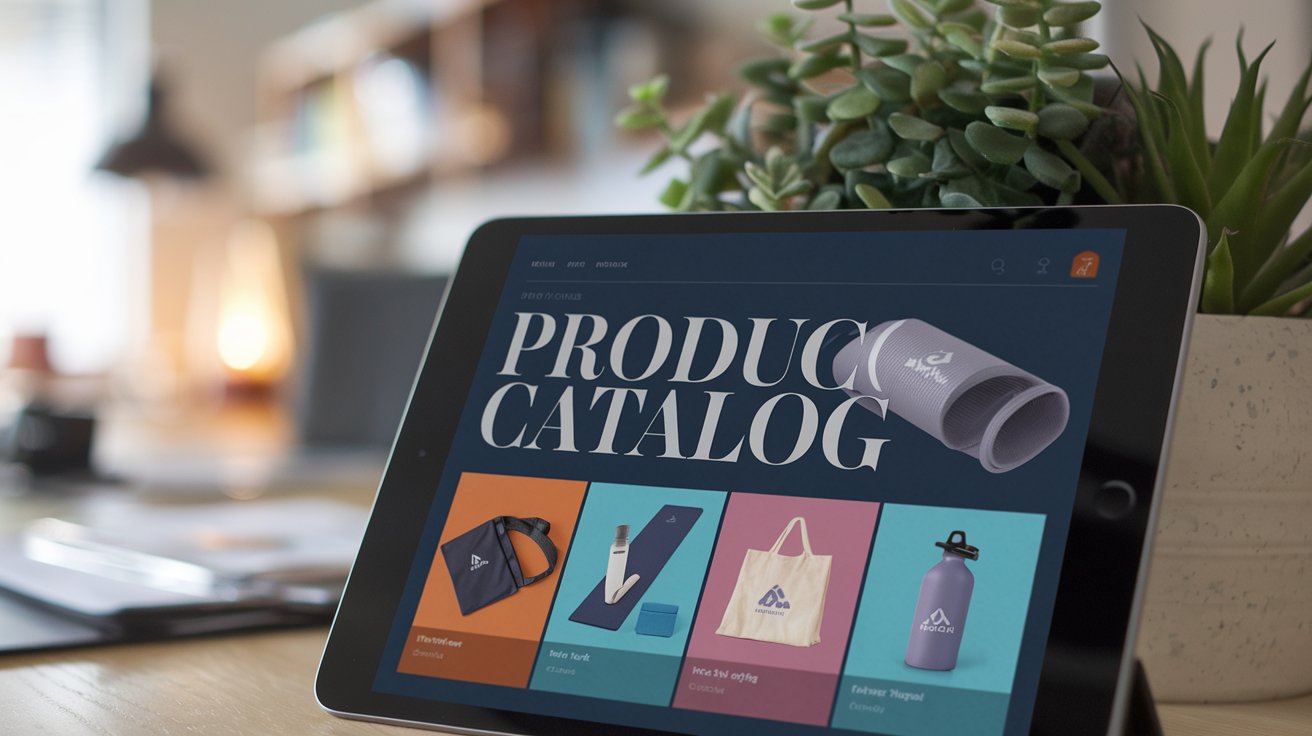
A digital product catalog is an electronic version of a traditional product catalog that showcases your products or services through interactive, searchable formats like PDFs, web pages, or mobile apps. In 2026, over 87% of US businesses have adopted digital catalogs to replace printed materials, driven by cost savings of up to 70% and the ability to update product information instantly. This comprehensive guide explains what digital product catalogs are, how they work, and why they have become essential for modern commerce.
Understanding Digital Product Catalogs
A digital product catalog is an organized collection of product information presented in electronic format, enabling customers to browse, search, and interact with your offerings without physical materials. Unlike traditional print catalogs, digital catalogs can include videos, 360-degree product views, real-time pricing updates, and direct purchase links. The format has evolved significantly by 2026, with 92% of US consumers preferring digital browsing experiences over printed materials according to recent retail analytics.
These catalogs serve as centralized repositories for product data, including specifications, images, pricing, availability, and customer reviews. Modern digital catalogue systems integrate with inventory management, CRM platforms, and e-commerce systems to provide accurate, real-time information. Businesses across retail, manufacturing, wholesale, and B2B sectors use them to streamline sales processes and enhance customer experiences in competitive markets.
Types and Formats of Digital Catalogs
Digital product catalogs come in various formats, each serving different business needs and customer preferences in the United States market. Understanding these formats helps businesses select the most effective solution for their target audience and sales objectives.
PDF Digital Catalogs
PDF catalogs represent the most basic form of digital product presentation, offering printable, shareable documents that replicate traditional catalog layouts. These digital catalogue PDF files work across all devices and platforms without requiring special software, making them accessible to 100% of potential customers. In 2026, businesses use enhanced PDF formats with embedded links, bookmarks, and searchable content, though they lack the interactivity of more advanced solutions. They remain popular for B2B sectors where clients prefer downloadable reference materials.
Interactive Web-Based Catalogs
Web-based digital catalogs function as dynamic websites or applications with advanced features like filtering, sorting, wishlist creation, and instant purchasing capabilities. These platforms integrate directly with e-commerce systems, enabling real-time inventory updates and personalized product recommendations. US retailers report 64% higher conversion rates with interactive web catalogs compared to static PDFs, as customers can click directly from product discovery to checkout without friction.
Mobile App Catalogs
Dedicated mobile applications provide the most immersive digital catalogue experience, offering features like augmented reality product visualization, offline browsing, and push notifications for new products or promotions. With 78% of US product searches starting on mobile devices in 2026, app-based catalogs deliver superior user experiences through device-specific optimizations and native functionality that web versions cannot match.
How to Create a Digital Product Catalog
Creating an effective digital product catalog involves strategic planning, proper tool selection, and systematic execution to ensure your catalog drives sales and engagement with your target audience.
Planning Your Catalog Structure
Begin by organizing your products into logical categories and subcategories that match customer search behavior and industry standards. Successful digital catalogs in the US market use data-driven taxonomy, analyzing website analytics and search patterns to structure navigation. Define which product attributes you will display including dimensions, materials, colors, pricing tiers, and technical specifications. Document your information architecture before selecting tools to ensure your chosen platform supports your organizational needs and scalability requirements.
Selecting Digital Catalog Software
Choose between specialized digital catalogue maker platforms, Product Information Management systems, or e-commerce platforms with built-in catalog features. In 2026, leading solutions include Flipsnack, Publitas, and Catalog Machine for small to medium businesses, while enterprise operations use PIM systems like Akeneo or Salsify. Evaluate platforms based on template customization, multimedia support, analytics capabilities, integration options, and total cost of ownership. Free digital catalogue maker tools work for basic needs, but businesses selling more than 100 SKUs typically require paid solutions with advanced features.
Gathering and Optimizing Product Content
Collect high-quality product photography, detailed descriptions, technical specifications, and pricing information for every item in your catalog. Professional product images shot on white backgrounds with multiple angles increase engagement by 94% compared to amateur photography. Write unique, SEO-optimized descriptions that answer customer questions and include relevant keywords naturally. Organize all assets in a centralized digital asset management system to streamline updates and maintain consistency across all sales channels and marketing materials.
Building and Publishing Your Catalog
Import your product data into your chosen platform using CSV uploads, API integrations, or manual entry depending on catalog size and system capabilities. Apply your selected digital catalogue template and customize branding elements including colors, fonts, logos, and layout styles to match your corporate identity. Add interactive features like search functionality, filtering options, zoom capabilities, and direct purchase links. Test thoroughly across devices and browsers before publishing, ensuring fast load times and intuitive navigation for optimal user experience.
Digital Product Catalog Examples Across Industries
Examining successful digital product catalog examples from various sectors provides practical insights into effective implementation strategies and industry-specific best practices for 2026.
Retail and Consumer Goods
Major US retailers like IKEA and Wayfair use sophisticated digital catalogs featuring augmented reality room visualization, style guides, and shoppable lookbooks that combine multiple products into cohesive designs. These catalogs integrate customer reviews, availability indicators, and personalized recommendations based on browsing history. Fashion retailers utilize seasonal digital lookbooks with video content showing products in use, achieving engagement rates 8 times higher than static image catalogs according to 2026 retail analytics.
B2B and Manufacturing
Industrial manufacturers create technical digital product catalogs with detailed specifications, CAD drawings, compliance certifications, and bulk pricing matrices. Grainger and McMaster-Carr exemplify this approach with searchable databases containing millions of SKUs, advanced filtering by technical parameters, and integration with procurement systems. These B2B catalogs include cross-reference tools for competitor parts and detailed application guides, reducing sales cycle time by an average of 35% compared to traditional quote-based processes.
Services and Digital Products
Service businesses and digital product vendors adapt the catalog concept to showcase intangible offerings through portfolio galleries, service packages, and tiered pricing displays. Software companies present feature comparison tables, video demonstrations, and interactive configurators that help customers select appropriate solutions. These specialized digital catalogs emphasize outcomes and benefits over physical specifications, using case studies and testimonials to build credibility with potential buyers.
Business Benefits of Digital Product Catalogs
Adopting digital product catalogs delivers measurable advantages across cost reduction, operational efficiency, and revenue generation that have made them standard practice for US businesses by 2026.
Significant Cost Savings
Eliminating print production, distribution, and storage costs reduces catalog expenses by 60-80% annually for typical businesses. A company previously printing 10,000 catalogs at $8 each saves approximately $75,000 yearly by switching to digital formats. Additional savings come from eliminating obsolete inventory disposal, reducing customer service inquiries through better product information, and decreasing product returns caused by mismatched expectations. US businesses report average ROI of 340% within the first year of implementing comprehensive digital catalogue systems.
Real-Time Updates and Flexibility
Instantly update pricing, product availability, specifications, and promotional content across all digital catalogs without reprinting or redistribution delays. This agility proves crucial during market fluctuations, seasonal campaigns, or inventory changes. Businesses can test different product presentations, pricing strategies, and promotional approaches through A/B testing, optimizing conversion rates continuously. The average US retailer makes 127 catalog updates monthly in 2026, something impossible with print materials.
Enhanced Customer Reach
Digital product catalogs extend market reach beyond geographic limitations of physical distribution, enabling small businesses to compete nationally or internationally. Search engine optimization makes catalog content discoverable through organic search, driving qualified traffic without advertising costs. Social sharing features allow customers to recommend specific products to networks, generating word-of-mouth marketing. Mobile accessibility ensures customers can browse your catalog anywhere, anytime, increasing touchpoints throughout the customer journey.
Valuable Data and Analytics
Track which products generate most interest, how customers navigate your catalog, where they abandon browsing, and which search terms they use to find products. These insights inform inventory decisions, product development priorities, and marketing strategies with precision impossible through print catalogs. Advanced analytics platforms integrate with customer data platforms to create detailed buyer personas and predict purchase behavior. US businesses using data-driven catalog optimization report 28% higher average order values compared to those without analytics integration.
Improved Sales Team Effectiveness
Equip sales representatives with tablet-based digital catalogs that ensure they always present current pricing, availability, and product information during customer meetings. Interactive features enable custom configurations, instant quotes, and on-the-spot ordering that shorten sales cycles dramatically. Sales teams can share specific catalog pages or customized product selections via email, maintaining engagement after meetings. Organizations report 42% increases in sales productivity after implementing digital catalog tools for field representatives.
Environmental Sustainability
Reduce your carbon footprint by eliminating paper consumption, printing chemicals, and transportation emissions associated with physical catalog distribution. A typical printed catalog generates approximately 2.7 kg of CO2 emissions throughout its lifecycle, while digital catalogs produce 97% less environmental impact. Corporate sustainability initiatives increasingly prioritize digital transformation, with 73% of US consumers preferring to purchase from environmentally responsible companies according to 2026 consumer research.
Digital Catalog Tools and Platforms for 2026
The market offers diverse digital catalogue maker solutions ranging from simple PDF creators to comprehensive product information management systems that serve businesses of all sizes.
Free Digital Catalog Makers
Digital catalogue maker free options include Canva, FlipHTML5, and Issuu basic plans that provide template-based catalog creation without upfront costs. These platforms suit solopreneurs, startups, and small businesses with limited budgets and simple catalog needs under 50 products. Limitations typically include branded watermarks, restricted analytics, limited customization, and basic distribution options. Free tools work well for testing digital catalog concepts before investing in premium solutions, though businesses should plan to upgrade as they scale operations.
Professional Catalog Software
Mid-market solutions like Publitas, Flipsnack Pro, and Catalog Machine offer advanced features including custom branding, detailed analytics, CRM integration, and unlimited products for $50-500 monthly depending on capabilities. These platforms provide digital catalogue templates optimized for various industries, drag-and-drop editors, and multimedia support without requiring technical expertise. They balance affordability with professional features, making them ideal for growing businesses with 50-5,000 SKUs seeking competitive advantages through superior catalog experiences.
Enterprise PIM Systems
Large organizations with complex product lines use Product Information Management systems like Akeneo, Salsify, or inRiver that serve as centralized hubs for all product data across channels. These enterprise digital product catalog platforms start at $20,000 annually but deliver sophisticated workflow management, multi-language support, digital asset management, and omnichannel distribution. They integrate with ERP, e-commerce, and marketing automation systems to ensure data consistency across every customer touchpoint, essential for organizations managing 5,000+ SKUs across multiple brands or markets.
Optimizing Digital Catalogs for Maximum Impact
Implementing best practices ensures your digital product catalog achieves business objectives and delivers superior customer experiences that drive conversions and loyalty.
Search Engine Optimization
Optimize your digital catalog for search engines by including descriptive product titles, detailed descriptions with relevant keywords, alt text for images, and structured data markup that helps Google understand your content. Create unique URLs for category and product pages that include target keywords naturally. Generate XML sitemaps to facilitate indexing and implement schema markup for products, reviews, and pricing. Well-optimized catalog pages can rank organically for thousands of product-related searches, generating free qualified traffic continuously.
User Experience Design
Design intuitive navigation with clear category structures, prominent search functionality, and effective filtering options that help customers find products quickly. Implement fast-loading pages optimized for mobile devices, as 68% of US catalog browsing occurs on smartphones in 2026. Use high-quality images with zoom functionality, comprehensive product descriptions that answer common questions, and clear calls-to-action that guide customers toward purchase decisions. Test your catalog with real users to identify friction points and optimization opportunities.
Content Quality and Completeness
Ensure every product listing includes complete information that customers need for confident purchasing decisions, including multiple images, detailed specifications, sizing information, material composition, and usage instructions. Add customer reviews, ratings, and user-generated content that build trust and provide social proof. Create supporting content like buying guides, comparison charts, and how-to videos that educate customers and position your brand as an industry authority. Complete, accurate product catalog data reduces returns by 23% and customer service inquiries by 31% according to e-commerce benchmarks.
Performance Monitoring and Iteration
Establish key performance indicators including catalog views, time on page, search usage, filter applications, click-through rates, and conversion rates. Use heatmaps and session recordings to understand how customers interact with your digital catalog and identify improvement opportunities. Conduct regular content audits to identify outdated information, missing product details, or poor-performing listings. Continuously test variations of product presentations, navigation structures, and feature implementations to optimize performance based on data rather than assumptions.
Using AI and ChatGPT for Catalog Creation
Artificial intelligence tools like ChatGPT have revolutionized digital catalogue creation in 2026, enabling businesses to generate product descriptions, organize taxonomy, and optimize content efficiently.
ChatGPT can draft product descriptions by analyzing specifications and generating compelling copy that highlights features and benefits for target audiences. It assists with creating category structures by analyzing product attributes and suggesting logical organizational hierarchies. The technology helps standardize product information formats, generate SEO-optimized titles and meta descriptions, and even create comparison tables that simplify customer decision-making. However, ChatGPT requires human oversight to ensure factual accuracy, brand voice consistency, and strategic alignment. Use AI as a productivity tool for initial drafts and content scaling, but always review and refine outputs before publishing in your product catalog. Businesses combining AI assistance with human expertise create catalogs 60% faster while maintaining quality standards according to 2026 productivity studies.
Integration with E-commerce and Sales Systems
Maximizing digital product catalog value requires seamless integration with broader business systems that manage inventory, orders, customer relationships, and fulfillment operations.
Connect your catalog with e-commerce platforms like Shopify, WooCommerce, or Magento to enable direct purchasing from catalog pages, eliminating friction between product discovery and transaction completion. Integrate with inventory management systems for real-time availability displays that prevent customer disappointment and reduce abandoned carts. Sync with CRM platforms to personalize catalog content based on customer segments, purchase history, and browsing behavior. Link to marketing automation systems that trigger follow-up campaigns when customers view specific products or abandon their browsing sessions. Enterprise resource planning integration ensures pricing accuracy, product data consistency, and order fulfillment coordination across all channels. US businesses with fully integrated digital catalogs report 47% higher customer lifetime value compared to those with disconnected systems, as seamless experiences drive repeat purchases and brand loyalty.
Related video about what is a digital product catalog
This video complements the article information with a practical visual demonstration.
Your questions answered
How can I create a digital catalog for free?
You can create a digital catalog for free using platforms like Canva, FlipHTML5, or Issuu that offer basic plans without cost. Start by organizing your product information and images in a spreadsheet, then select a template that matches your brand style. Upload your content to the platform, customize the design with your branding elements, and publish your catalog as a PDF or interactive webpage. Free tools typically include watermarks and limited features, but they work well for small businesses with under 50 products or those testing digital catalog concepts before investing in premium solutions.
What is an example of a digital product catalog?
A prominent digital product catalog example is IKEA’s online catalog, which features thousands of furniture items with interactive 3D room visualizations, augmented reality placement tools, and direct purchase links. Another example is Grainger’s industrial supply catalog that includes detailed technical specifications, CAD drawings, and advanced filtering for millions of products. Fashion retailers like ASOS use digital lookbooks combining multiple products into styled outfits with video content. These examples demonstrate how different industries adapt the catalog concept to their specific product types and customer needs.
Can ChatGPT create a product catalogue?
ChatGPT can assist with creating product catalog content but cannot independently build a complete functional catalog. It excels at generating product descriptions, organizing category structures, creating comparison tables, and writing SEO-optimized titles based on product specifications you provide. However, ChatGPT cannot design layouts, upload images, or create interactive features. Use it as a content creation tool to draft descriptions and organize information, then import that content into specialized digital catalog software like Flipsnack or Publitas to build the actual functioning catalog. Always review AI-generated content for accuracy before publishing.
What are the main benefits of digital catalogs over printed versions?
Digital catalogs offer significant advantages including 60-80% cost savings by eliminating printing and distribution expenses, instant updates without reprinting, unlimited distribution reach beyond geographic constraints, and detailed analytics showing which products generate most interest. They provide interactive features like search, filtering, video content, and direct purchase links that enhance customer experience. Digital catalogues reduce environmental impact by 97% compared to print, enable personalization based on customer data, and integrate with e-commerce systems for seamless purchasing. US businesses report 340% average ROI within the first year of implementing comprehensive digital catalog systems in 2026.
How do I make my digital product catalog searchable and easy to navigate?
Make your digital catalog searchable by implementing a prominent search bar with autocomplete suggestions, creating clear category hierarchies with descriptive names, and adding multiple filtering options like price range, color, size, and brand. Include product tags and attributes that enable faceted search, optimize product titles with descriptive keywords customers actually use, and implement breadcrumb navigation showing current location within the catalog structure. Ensure mobile responsiveness with touch-friendly controls and fast loading speeds. Add a table of contents for longer catalogs and include internal links between related products to improve navigation and discovery throughout your product catalog.
What format should I use for my digital catalog in 2026?
The optimal format depends on your business needs and target audience. For maximum accessibility and shareability, use interactive web-based digital catalogs that work across all devices and integrate with e-commerce systems for direct purchasing. For downloadable reference materials, create enhanced PDFs with embedded links and bookmarks. If targeting mobile-first audiences, develop dedicated apps with offline capabilities and augmented reality features. Many successful businesses in 2026 use multi-format approaches, offering web catalogs for browsing and purchasing, PDF versions for offline reference, and mobile apps for enhanced experiences. Choose platforms that support multiple output formats from a single source to maximize reach while minimizing maintenance effort.
| Key Aspect | Important Details | Business Benefit |
|---|---|---|
| Definition | Electronic product showcase with interactive features, real-time updates, multimedia content | Enhanced customer engagement and modern brand presentation |
| Cost Savings | 60-80% reduction in catalog expenses, 340% average first-year ROI | Significant budget allocation to growth initiatives |
| Creation Tools | Free options: Canva, FlipHTML5; Professional: Publitas, Flipsnack; Enterprise: Akeneo, Salsify | Solutions available for every business size and budget |
| Format Options | PDF catalogs, interactive web platforms, mobile apps with AR features | Flexibility to match customer preferences and use cases |
| Update Speed | Instant changes to pricing, inventory, and content across all channels | Market agility and elimination of obsolete information |
| Analytics Capability | Track views, searches, engagement, conversions, and customer behavior patterns | Data-driven decisions for inventory, marketing, and product development |
| US Adoption Rate | 87% of businesses use digital catalogs in 2026, 92% of consumers prefer them | Industry standard requirement for competitive positioning |
| AI Integration | ChatGPT assists with content creation, descriptions, and taxonomy organization | 60% faster catalog creation while maintaining quality standards |